Best practice for online, in-person and blended teaching pedagogy: educators from universities around the world share their advice, insights and experience
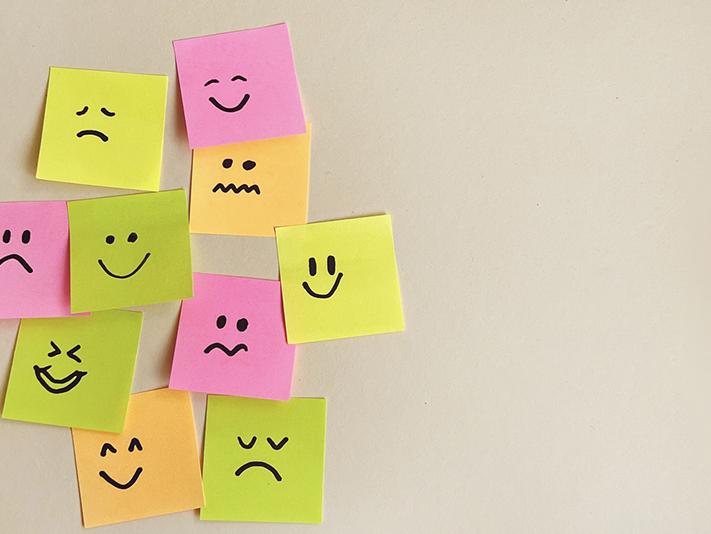
Asking students to give anonymous feedback on each other’s work can not only result in better writing skills but also offer them opportunities to try new approaches and refine assessment tasks
As doctors must apply the latest scientific results in daily practice as soon as possible, it follows that translation methodologies should be taught to medical students
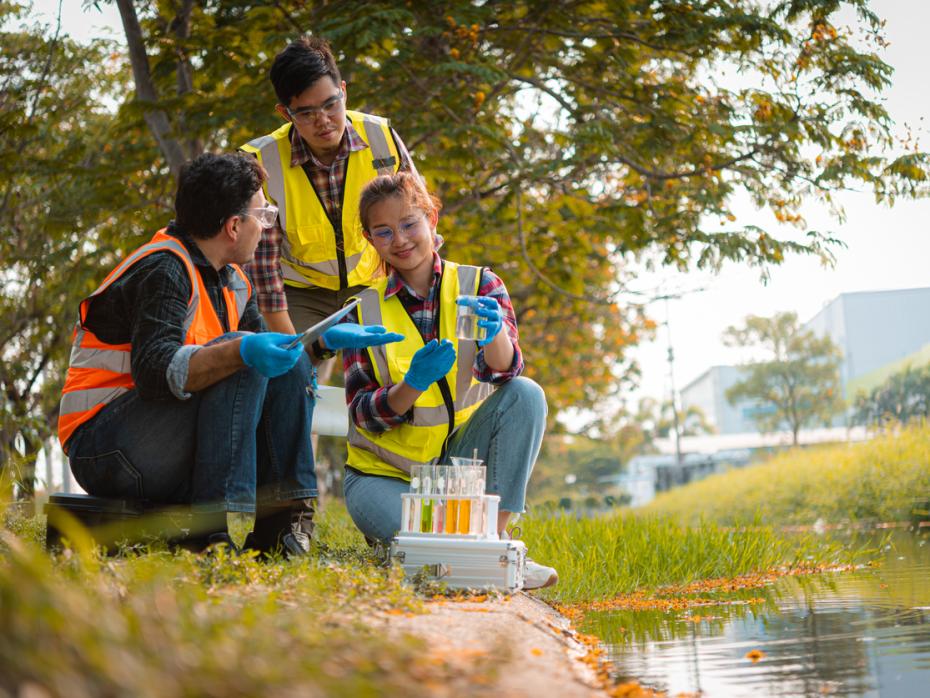
By getting students involved in real-world ‘live’ projects, academics can integrate research and knowledge exchange into teaching, resulting in positive impacts reaching far beyond the classroom, as Alan Chandler explains
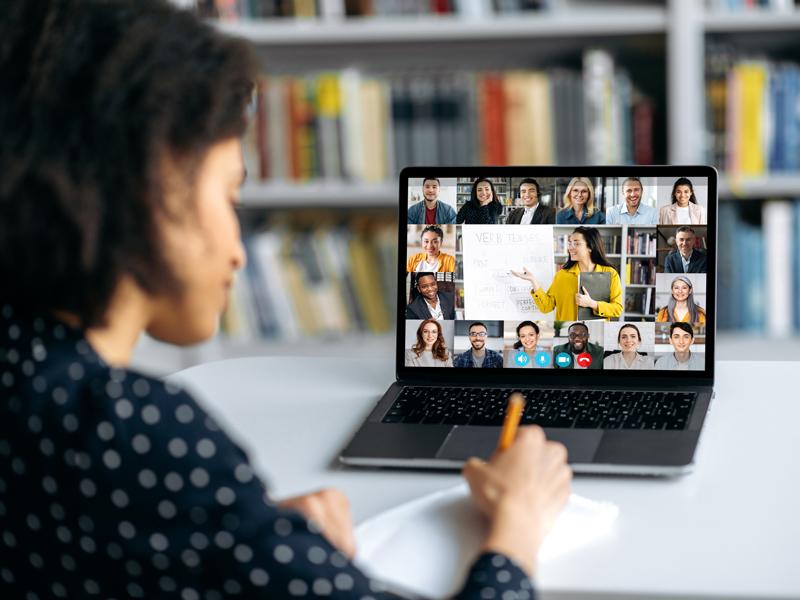
Online education programmes provide flexibility and accessibility, allowing more individuals to pursue advanced degrees. Understanding the impact of online learning on business education is crucial for students, educators and institutions alike
From academic reputation to hands-on experience, there are a lot of factors to consider when choosing an engineering school that aligns with your career goals
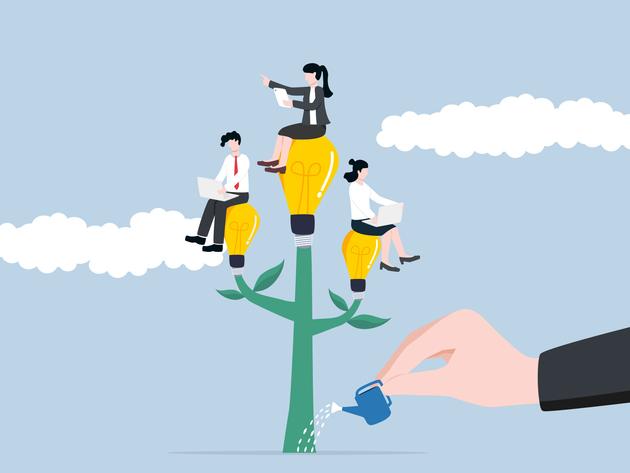
Technicians need to advocate for themselves, network and seek leadership opportunities to gain the recognition they deserve, writes Mark Dabee Saltmarsh. Here, he offers career advice for the unsung heroes of higher education
Yes, the transition between online and in-person methods can make blended delivery challenging for students and educators alike, but keeping students engaged and sustaining their learning is worth the effort
Giving feedback is a time-consuming and often frustrating part of teaching. What if educators handed the task to students? Here are the takeaways from an online business course