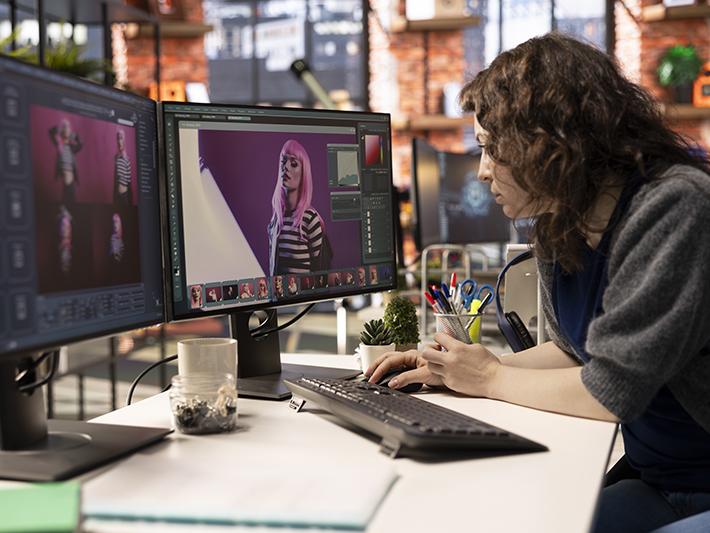
Students working towards creative careers have mixed feelings about AI and its potential effects on their job prospects. So education must consider the best practice in the application of tools but also teach students design fundamentals
To become proficient in GenAI, educators must move beyond one-off interactions to create workflows that increase efficiency and deepen learning. Learn how
If the UK higher education sector wants its transnational education partnerships to be socially responsible, academically rigorous and politically resilient, universities must prioritise co-creation and cultural literacy, writes Valentina Cardo
Smart glasses have the potential to support learning for disabled students, but this technology also comes with significant privacy concerns. Helen Nicholson-Benn looks at how to balance functional benefits with data security and safeguarding
The question is no longer whether students will use AI after graduation but to what extent. So, how can universities best ensure that students are workforce-ready?
How do we use GenAI without letting it use us? By mastering the tool, and helping students do so too, its much-feared effects on the humanities cannot come to pass, writes Stuart Christie