


When non-academics imagine research work, they often picture scholars deep in thought, crafting theories or analysing complex data. The reality is far less glamorous. Research involves countless small, repetitive tasks: formatting references, cleaning datasets, organising files, processing materials. These jobs require little cognitive effort, but demand enormous amounts of time.
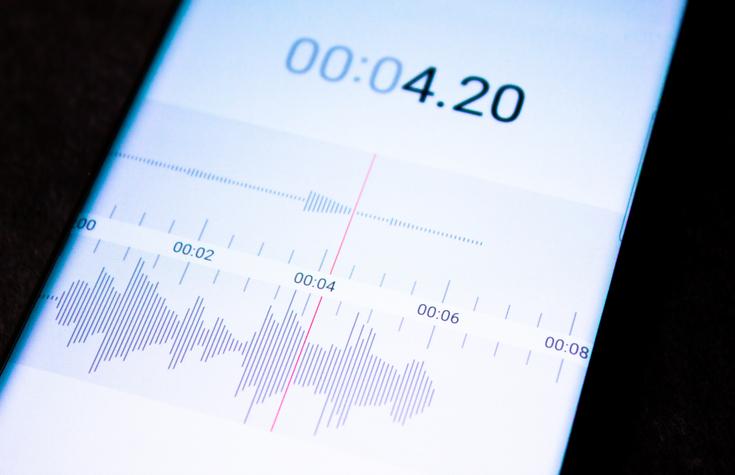
We experienced this first-hand while developing a generative artificial intelligence-powered training system for nursing students. The system uses pre-recorded patient audio to help students practise clinical communication. The concept was exciting, the theoretical framework solid. But then came the tedious part: processing audio recordings from multiple contributors, each with different naming conventions, and converting them into a standardised format the system could use.
- Be the conductor of your own GenAI orchestra for academic writing
- Three ways to leverage ChatGPT and other generative AI in research
- Could AI manage your research project?
Traditionally, these tasks are usually delegated to a hapless research assistant, who could end up spending late nights completing it. Instead, we turned to GenAI – not to think for us, but to build tools that handle the repetitive work.
When collaboration creates chaos
Our project involved team members recording patient dialogue in Cantonese and English. One collaborator sent us a folder of recordings with file names like “VeryHurt.mp3” and “CanYouCleanItGentlyItHurts.mp3”. Another used Chinese characters: “好啊.mp3” and “我叫陈美珊.mp3”.
Each file needed to be renamed according to a specific convention our system required: standardised base names, voice identifiers, language tags and numbers to differentiate multiple takes of the same line. The mapping looked something like this:
- “VeryHurt.mp3” → “patient_rudeswearing_painful_Angel.mp3”
- “好啊.mp3” → “patient_greet_painful_Angel.mp3”
- A second take of the same line → “patient_greet_painful_Angel_v2.mp3”
With over 60 files across four voice sets, manual renaming would take hours and result in errors. We needed a systematic solution.
Building a custom tool through conversation
Rather than searching for existing software or learning a new programming language, one of our team members described the problem to a GenAI tool, a coding assistant. Within one conversation, we built a browser-based tool that runs locally on our computers.
The process was genuinely collaborative. We explained what we needed: a way to load audio files, play them to check content, map them to standardised metadata entries and batch-rename them with proper conventions. The tool wrote the code, but we shaped the requirements. When we realised we needed to support multiple variations of the same dialogue line, we then asked it for that feature.
The result is a practical tool tailored precisely to our workflow. Now by clicking browse to select a folder, the tool lists all audio files, our team members can play any file to hear it, then click to map it to the correct metadata entry. The system automatically tracks variations – if I map three different “it hurts” recordings to the same entry, they become v1, v2 and v3. When finished, one click renames and copies all files to the output folder.
Practical tips for researchers
If you face similar repetitive tasks, here’s how to approach GenAI-assisted automation:
Start with a clear problem description. Don’t ask the AI to “help with my research”. Instead, describe the specific bottleneck: “I have 60 audio files with inconsistent names that need to follow this naming pattern...”
Provide concrete examples. Show the tool your current file names and what you need them to become. Patterns are easier to automate than vague instructions.
Iterate and refine. Your first request won’t produce the perfect solution. Test the output, identify what’s missing, and ask for adjustments. Our tool evolved through several rounds of “can you also add...” requests.
Think about sustainability. We asked for a tool we could reuse for future recordings, not a one-time script. This investment pays off as the project grows.
Don’t fear technical solutions. We are not programmers. But we can describe what we need in plain language, and the AI translates that into functional code. You don't need to understand every line – you need to understand your problem.
Beyond this example
This approach extends far beyond file renaming. Researchers could use conversational GenAI to build tools for batch-processing survey responses, generating formatted reports from raw data, converting between file formats or creating custom interfaces for specific workflows. The key insight is that GenAI excels at precisely the tasks researchers find most tedious: repetitive, rule-based operations that follow clear patterns.
The time saved is significant – what would have taken us an entire afternoon now takes about 20 minutes. But the greater value is cognitive. By offloading mechanical tasks, we preserve mental energy for the work that actually requires human judgement: refining the training scenarios, analysing student performance and developing the pedagogical framework. It is also more ethical to not overload research students with these tasks.
GenAI won’t write your literature review well or develop your theoretical contributions. But it can handle the unglamorous infrastructure that makes research possible. Sometimes the most valuable help isn’t with the big ideas – it’s with the small tasks that clear the path toward them.
Qinghua Chen is postdoctoral fellow, Yiqi Liu is assistant professor and Angel M.Y. Lin is chair professor in language, literacy and social semiotics, all at the Education University of Hong Kong.
If you would like advice and insight from academics and university staff delivered direct to your inbox each week, sign up for the Campus newsletter.


comment1