

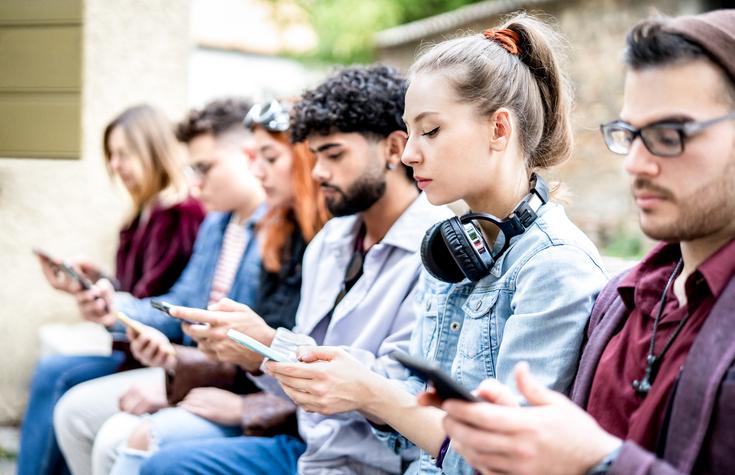
In these days of doomscrolling, students face a steady stream of news on climate change, social injustice and other pressing global issues. Piled up on top of sustainability-related coursework and the pressure to live a perfectly “green” life, this can, understandably, create emotional exhaustion and frustration.
Over time, it could backfire and undermine students’ capacity to engage meaningfully with sustainability. It could even make students cynical about whether they can make a difference. Clearly, this is against the mission of higher education to prepare future leaders to be informed, resilient and positive change-makers. Climate often dominates the conversation on sustainability, which can overshadow equally urgent issues such as poverty, hunger and biodiversity loss.
- The long game: gamifying sustainability education
- How to embed sustainability in your business school
- Forget climate anxiety – let’s foster climate confidence
Students care deeply about sustainability and, according to research, expect their universities to take meaningful steps to prioritise responsible management in teaching and daily practice. Sustainability performance is also one of the key considerations for students in their choice of university. This highlights two clear priorities for higher education.
First, curricula need to move beyond simply describing the scale of the problem and instead offer practical pathways for action. Also, universities should be transparent about their sustainability performance and communicate it clearly to both current and prospective students.
Most universities have integrated sustainability into their curricula. However, this integration mainly focuses on the scale and urgency of the problem, rather than exploring workable solutions. This approach might help students understand the seriousness of issues such as global warming and societal crises but it often does not provide them with the practical tools to act.
As a result, some students experience anxiety and disappointment, which in turn leads to disengagement. We need to reimagine the educational offering using project-based learning, industry partnerships, community engagement and simulation games to empower students, allow them to experiment with ideas and build confidence in addressing worldwide issues.
One of the most effective ways to rethink teaching is by building strong internal and external partnerships that help connect theory with practice. Internal collaborations across departments and faculties convey the idea that sustainability is a shared challenge that cuts across disciplines, rather than a topic limited to a single discipline.
Likewise, external partnerships with local governments, NGOs and companies – in the form of hackathons, live consultancy projects and guest speaker series – help students appreciate the fact that solutions for sustainability problems often entail trade-offs, uncertainty and negotiation among different stakeholders and that balancing profit, planet and people is rarely straightforward. These partnerships show students how theoretical ideas can be translated into practice.
Sustainability-oriented entrepreneurship projects support students to design initiatives addressing environmental and social challenges. These projects allow students to translate their ideas into practical action, work creatively with others and experiment with solutions that have real impact.
Guide students through the process of identifying a challenge, developing a concept and testing it. These experiences can help strengthen their confidence and develop their teamwork, leadership and problem-solving skills, preparing them to become proactive sustainability champions in their future careers.
Gamification and simulation games are powerful tools to teach sustainability because they create interactive and engaging learning environments. Through scenarios that mirror real-world challenges, students can experiment with ideas, make tough decisions and see the consequences of their choices within a safe and supportive space. Given that the experience is active rather than overwhelming, students are more likely to feel a sense of control, which helps prevent burnout and frustration. Games can introduce adjustable levels of challenge, encouraging reflection, sustained motivation and exploration of practical pathways towards sustainable change.
Think about assessment too. We need to design it in ways to support learning without contributing to student burnout. Assessments could involve industry partnerships where students work on real challenges, role-plays that immerse them in realistic – albeit, hypothetical – scenarios, or sustainability pitches that encourage creative problem-solving. Such approaches make learning active and empowering, helping students build confidence while reducing the anxiety and fatigue often associated with traditional assessment methods.
Today’s graduates will become the leaders of the future. Higher education must equip them with the skills and agency needed to lead the world down a more sustainable path. Let’s empower students to tackle the world’s future challenges with creativity, confidence and optimism.
Soheil Davari is associate professor and director of accreditations in the School of Management at the University of Bath.
If you’d like advice and insight from academics and university staff delivered direct to your inbox each week, sign up for the Campus newsletter.
comment