

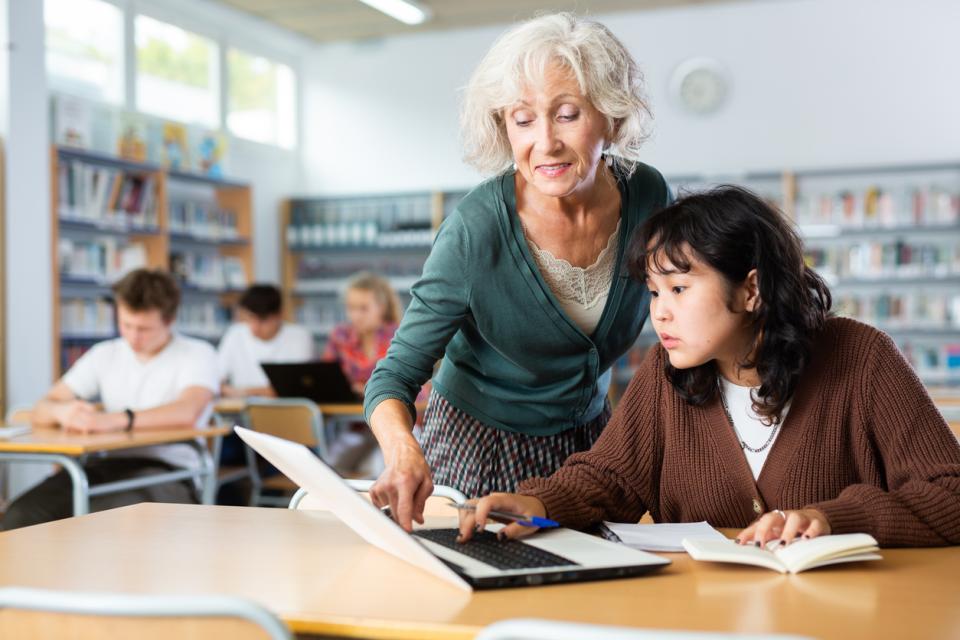
Socio-emotional skills – such as self-awareness, self-regulation, empathy and effective communication – are essential for student well-being and academic performance. They enable students to recognise their own and others’ emotions and respond constructively to everyday challenges. When these skills are lacking, students may experience frustration, anxiety or disengagement, which can negatively impact retention and overall academic success.
My institution’s Grupo de Estudiantes Orientadores (GEO) has become a formative space where students strengthen these competencies through practical experiences in mentoring, leadership, communication and collaborative work. To support the socio-emotional development of its members, GEO runs workshops with exercises designed to help students apply these skills in real-life situations.
Below are three activities accompanied by practical guidance that any instructor can use in their own classroom or student group.
Exercise 1: ‘Broken telephone’ to promote active listening
This exercise demonstrates the importance of transmitting information accurately. In groups of six to 10 students, the facilitator whispers a simple but detailed message to the first participant (for example: “Tomorrow at 3pm we will meet in room 204 to organise the welcome event”). The message is passed from student to student until it reaches the last one, who says it aloud, so it can be compared with the original version.
- Spotlight guide: Student support for the university classroom
- Let’s prioritise self-care for the benefit of everyone
- Teaching from the heart in 13 steps
How to encourage active listening
To deepen the reflection, instructors may ask questions such as:
- At what point do you think information was lost?
- What strategies did you use to remember the message?
- How can you verify information when working in groups?
It is also useful to model practical techniques such as requesting confirmation, taking quick notes or avoiding assumptions. These discussions help students recognise communication as a key skill for preventing misunderstanding, and building trust within their teams.
Exercise 2: ‘The tower of trust’ to foster collaboration, leadership and planning skills
Teams receive simple materials such as sheets of paper, tape, sticks or markers. The challenge: build the tallest tower possible in just 10 minutes.
Instructors may allow students to delegate their own roles to observe their natural group dynamics. Suggested roles include:
- Coordination leader: organises ideas and distributes tasks.
- Builders: assemble and manipulate materials.
- Observer or timekeeper: monitors progress and records insights.
- Designer: proposes the structure of the tower.
Guided reflection
At the end, instructors can ask:
- Which decisions were the hardest to make?
- What did you learn about trusting your team’s abilities?
- What would you do differently in a second attempt?
This closing conversation helps students identify patterns of leadership, collaboration and decision-making.
Exercise 3: ‘The emotional traffic light’ – to foster self-regulation and decision-making
For this exercise, each student creates their own emotional traffic light based on situations that trigger certain emotions using three colours. They then work on strategies to shift from problem-oriented thinking to alternative thinking, fostering more assertive responses to everyday challenges:
- Red – alert: to signify situations that trigger anger, stress or conflict.
Example: receiving several last-minute assignments or a disagreement within a group project. - Yellow – caution: to signify situations in which students need to pause, observe or think before responding.
Example: an ambiguous comment from a professor or a misunderstanding with a classmate. - Green – calm: to signify moments when they feel at ease and capable of making balanced decisions.
Example: studying with a group they already trust.
How to move from an impulsive reaction to an assertive response
The facilitator can then guide students using strategies such as:
- Taking a deep breath for 10 seconds before responding
- Reframing the situation by asking: “What do I truly need right now?”
- Requesting clarification without confrontation
- Taking a five-minute pause to reduce emotional intensity.
These actions help transform strong emotions into more thoughtful and effective responses.
Building community through experience
Beyond encouraging individual reflection, these activities strengthen bonds among GEO members and show that socioemotional skills are developed through lived experiences, not only through theory. Incorporating short activities focused on communication, trust or emotional management helps create more human, participatory and empathetic learning environments.
At my institution, promoting socioemotional skills is a key strategy for enhancing academic performance, supporting student retention and forming ethical, empathetic and socially committed professionals. GEO stands as an example of this institutional commitment.
Tatiana del Pilar Amado Castellanos is a clinical and educational psychologist at UDCA.
If you would like advice and insight from academics and university staff delivered direct to your inbox each week, sign up for the Campus newsletter.

comment