

Fifteen years ago, when I first started teaching, I was given advice that many new teachers receive: start out strict and relax a little later, and whatever you do, don’t smile until Christmas. I probably took the advice a little too literally at the time. These days I like to think I have a more student-centred pedagogy.
But clumsy as it is, there’s an important core of this advice that’s worth emphasising: students need structure, challenge and warmth.
In my current role as director of our Academic Success Center, I see the kind of problems students at university face. When trying to retain students who are academically at risk, the most pressing challenge is how to motivate them to help themselves.
- The Democracy Lab: how 20 minutes of debate can revive the lecture
- The lecture is dead – long live the performance
- How to turn your most aggravating student emails into a chance to spread joy
All too commonly, we find that when students face academic challenges, instead of putting in more effort, they pull back. Withholding effort is a way of protecting their ego. If a student tries and fails, their ego is damaged but if they do not try, and fail, they can claim that they could have done better had they put in the effort.
To reach students who struggle to put more effort into their courses, intervening is crucial and it starts in the classroom. Students are more motivated to engage with a course when they like the teacher, research shows, and this can break the pipeline from course failure to probation to dropping out early. But telling faculty to be more likeable is a lot to ask. Many lecturers will perceive likeability levels as fixed and unchangeable and tied to immutable personal characteristics. Fortunately, there are ways to break down likeability into actionable steps.
In social psychology, the term immediacy refers to the communicative behaviours that signal closeness, warmth and reduce perceived distance between people. This can be something as simple as nodding your head to acknowledge another person’s contribution while they are speaking. A positive relationship between educators being more immediate and increased student learning is well established.
This raises the question: how can educators be more immediate, warm or likeable? I want to discuss four tips that are easy to understand and that anyone can start doing tomorrow.
Make better use of classroom space
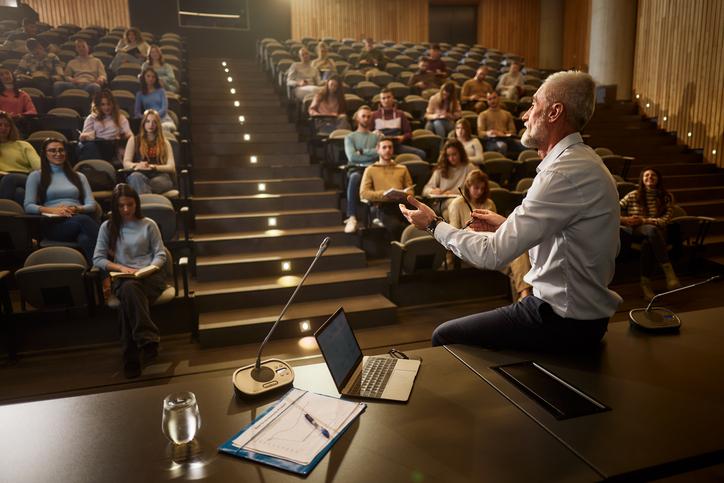
First, one of the easiest ways to increase student perceptions of your closeness is to make better use of the classroom space. You might be tempted to hide behind the desk, lectern or computer screen during your lectures, whether it makes you feel comfortable or you simply want to use the classroom technology.
Whatever the motive, barriers such as lecterns reduce perceived closeness and increase perceived distance, making you less available to students. If you want students to see you as accessible and likeable, you have to remove the barriers. If possible, even walking out among the desks from time to time will increase that sense of closeness.
Use students’ names
Learn your students’ names and use them. This is so simple that I hardly need to explain more. But, simply put, using student names reduces psychological distance between you and them. Class sizes often seem like a barrier to learning names but it can help to have students use name tags and rotate through sitting in the first two rows.
Help students save face when they make errors
How you respond to errors is important. If you want students to actively engage and speak up in class, one or more of them is bound to make a mistake eventually. When they do, you should help them save face if at all possible. This doesn’t mean telling them a wrong answer is right but it means asking them to elaborate, noting any good points they’ve made and thanking them for speaking up before gently correcting them.
The other students will notice how you respond to students who make mistakes and will decide how risky it is to speak up in your class.
Turn toward the room, not the slides
My last piece of advice is also about body language. In the age of the presentation, it is very common for lecturers to turn away from their students and look at the presentation for the whole lesson. This signals that you value the material written on the presentation more than you value the other people in the room. Turn and face your students, make eye contact with them from time to time and show them that they are your priority.
Being more immediate and accessible to students can feel like using a thimble to bail out a bathtub but an important part of retaining students is making them feel supported and connected. So next semester, go into your class with a smile on the first day. Set clear expectations and challenge your students but don’t be afraid to open up to them from day one.
Thomas Duke is director of the Academic Success Center at Nazarbayev University.
If you would like advice and insight from academics and university staff delivered directly to your inbox each week, sign up for the Campus newsletter.


comment