

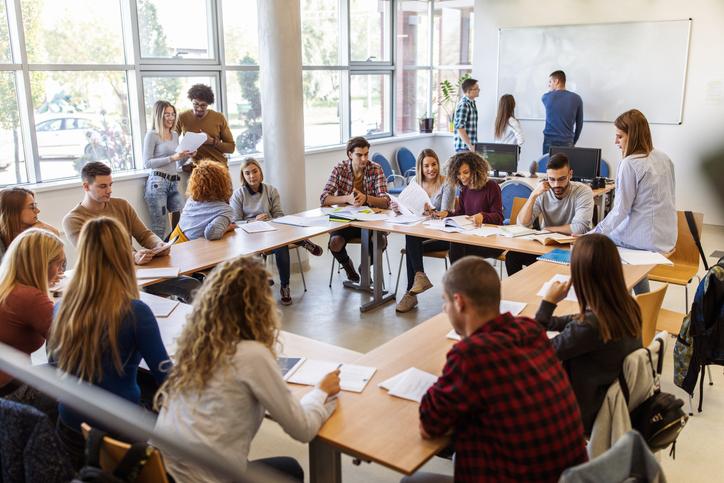
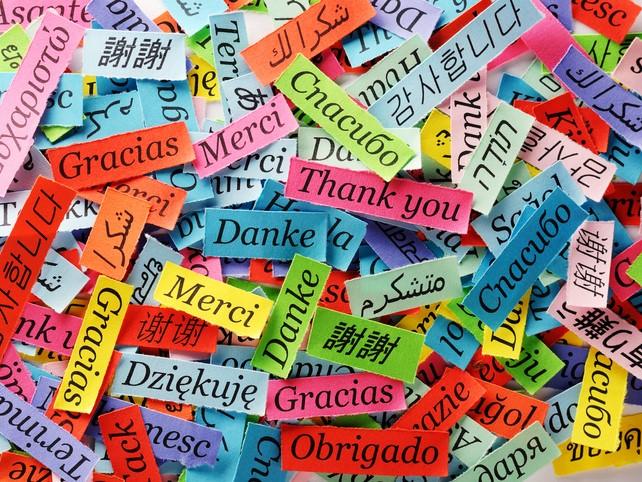
Modern languages classrooms are often multilingual spaces. These are familiar to me as a Spanish language teacher at a UK institution; not all my students are native English speakers. However, I view this as a strength; my classrooms are rich environments where linguistic and cultural identities are valued and celebrated. This approach can not only maximise learning but build sought-after skills that set students apart in a volatile job market.
Through their engagement with different perspectives, students learn to negotiate meaning and approach problems creatively and, in the process, improve their adaptability, time management, leadership and communication skills, and cultural awareness.
Although teaching multilingual groups is not without its challenges, a handful of strategies that draw on the benefits of linguistic diversity can make a difference.
Code-switching and translanguaging for group work
Students tend to be wary of group work, especially when language proficiency levels and communication styles vary. Scheduling conflicts, imbalanced workloads and clashing personalities can further complicate matters.
As lecturers, we must emphasise the value of these assignments and find ways to make the process easier. We can do this by allowing students to adopt code-switching – changing the way we express ourselves depending on the setting and people – and translanguaging – moving fluidly between languages. Translanguaging in particular can improve understanding of complex concepts and vocabulary.
It’s helpful to indicate when translanguaging is appropriate – for example, during group activities involving textual analysis, mediation tasks or collaborative problem-solving. When sharing their ideas with the class, students should use the shared language of the class to ensure that everyone can participate in the discussion.
Even though students tend to gravitate towards peers with similar linguistic profiles, lecturers should encourage them to form groups with peers from different backgrounds because this will help them build cultural awareness and hone essential soft skills.
Spotlight guide: Support student success in the multilingual classroom
Just call me Alex! Why dropping the ‘professor’ could boost students’ confidence
The importance of educational cultural awareness in the multicultural classroom
Mediation activities
Mediation can bridge linguistic and cultural gaps to help students understand each other and communicate more easily. Although the role of modern language lecturers often involves this practice, students can also mediate in the following ways:
Linguistic mediation: activities include summarising texts, simplifying technical instructions and rephrasing messages in a more digestible way. They can involve one or multiple languages, depending on the group composition.
Cultural mediation: activities include role plays that clarify cultural references and norms to facilitate intercultural awareness and understanding. For example, using real-life scenarios involving misunderstandings between people from different cultures, students can take on different roles and viewpoints and act as mediators to bridge cultural differences. Educators can also encourage students to share cultural misunderstandings they’ve experienced and ask their mediator peers for advice.
Social mediation: involves activities in which an intermediary helps peers address a personal, political, cultural or linguistic misunderstanding. This process can be particularly helpful for students who struggle to speak up in large groups because they can relay their ideas to the wider group via an intermediary.
Pedagogic mediation: involves activities in which students explain words or concepts to their peers. For example, students share a film clip, news article or podcast that highlights a specific linguistic term or cultural topic, and those who are more familiar with the plot, context or topic can bridge peers’ knowledge gaps. Such activities encourage critical thinking and promote understanding.
How to get the most out of students in multilingual classrooms
Different accents often cause misunderstandings. Encourage students to work with peers with different linguistic profiles and accents. Although they might initially struggle to understand each other, the more exposure they get, the more likely they are to eventually understand and appreciate different accents.
To prevent cultural misunderstandings and conflicts, create a class communication contract with students. This is a great ice breaker activity for the beginning of a course. Consider the following questions:
- Are any topics considered taboo or too personal?
- Is interrupting allowed?
- How do we define punctuality?
- How much should students participate in discussions?
- When is it necessary to apologise?
Besides preventing conflicts, this activity helps students understand how each other’s attitudes and behaviour are shaped by cultural norms, builds rapport and increases belonging, which paves the way for deeper learning.
Exposure to multiple languages can build knowledge and skills. When modern language educators harness the linguistic diversity of the classroom, students act as sources of knowledge creating routes to understanding for others. This not only maximises learning in a class with mixed levels of proficiency but helps students develop soft skills and a greater appreciation for diversity.
Mazal Oaknín is associate professor (teaching) at UCL.
If you would like advice and insight from academics and university staff delivered direct to your inbox each week, sign up for the Campus newsletter.

comment