
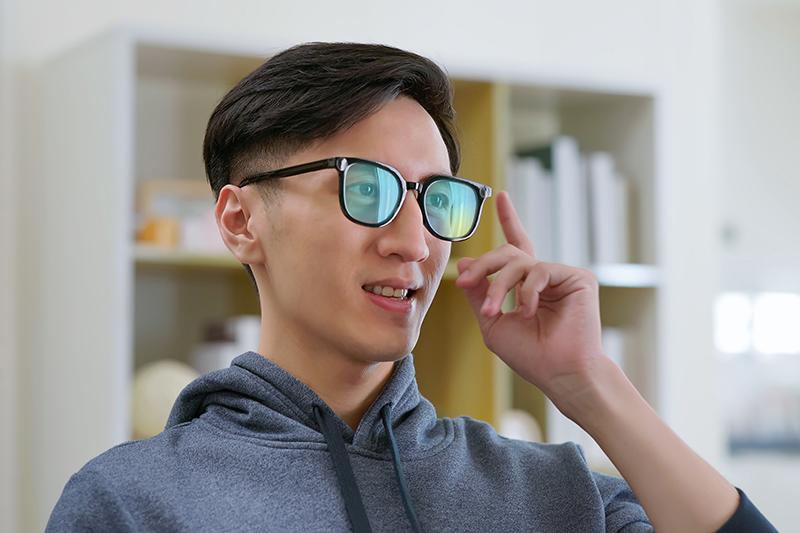
Consider how different models of smart glasses might be used to improve accessibility in higher education. A deaf student might use XRai’s ar2 captioning glasses during a lecture to view live captions in their eyeline, allowing them to follow the content without looking down at a separate screen. A visually impaired student might use Envision’s Ally Solos glasses to generate a description of images on printed material or read text during a class. The glasses provide a hands-free option rather than scanning the materials with their smartphone.
These examples are hypothetical, and smart glasses are far from an everyday teaching tool, but that may be about to change. Smart glasses available today are far more capable than their predecessors, particularly boosted by developments in artificial intelligence (AI) technology. Much of the mainstream media coverage around smart glasses has focused on releases from Meta. Less discussed are models designed specifically as assistive technology that have undergone a similar trajectory of increasing capability alongside a lowering cost.
However, the potential of this technology to support inclusion in education sits alongside growing concerns about privacy and security. For example, there have been examples of users exploiting the discreet design of Meta’s glasses to record women without consent, as news outlets such as the BBC have reported.
Such issues should not be minimised, but they shouldn’t completely preclude the use of smart glasses, either. Doing this could risk disabled students’ access to these tools being unnecessarily restricted. Although this is a challenging area, we may be better equipped to manage the use of this technology than we expect.
Distinctions that matter
The loose term “smart glasses” may be applied to devices ranging from frames with simple camera attachments to high-end eyewear with built-in speakers, microphones, AI assistants and visual displays. This is why a nuanced approach is essential; these distinctions matter. Many key privacy concerns relate to what glasses are able to record, how the recorded data is used, where it is stored and who can access it. Providers’ data policy terms will differ in the protections they offer around the treatment of user data, too.
- Five practical tips to make online and in-person courses more accessible
- Campus Talks podcast: Why small changes make a big difference to accessibility
- Spotlight guide: Make learning accessible to all in higher education
Ultimately, smart glasses bring together capabilities that many universities already have policies in place to manage, including recording, transcription and AI. Where exceptions to these policies exist for the use of assistive technology, these may well apply to smart glasses, too.
Considerations will depend on what functionality glasses have. For instance, returning to our example of captioning glasses, these have no camera and can only record and save audio and the transcriptions they create. They could therefore be treated in a similar way to other assistive software that records lecture content and creates transcripts.
In our other potential use case, the Ally Solos are equipped with a camera; the ability to take photographs is essential for producing audio descriptions, but they cannot capture video or livestream content.
Privacy concerns remain in this instance around the capturing of images, particularly where they might include other students, but these risks can be balanced with the benefits to inclusion. For instance, consent may be collected from staff and students who might be photographed by the glasses. Again, these may be treated in a similar way to non-wearable tools, such as Microsoft SeeingAI, which offers similar functionality and has long been used successfully in education spaces.
Commercial smart glasses not specifically designed as assistive technology can also serve assistive purposes, and we shouldn’t rule that out. Some users may benefit from a more general-purpose model that can support a multitude of needs as opposed to those designed to serve one purpose, or they may be the only model available to the student due to factors such as cost or availability. That said, smart glasses with many functions may present a more complex use case than assistive models with more focused sets of features.
AI assistants: benefit or barrier?
The use of generative AI within these tools introduces another layer of considerations. Most smart glasses include conversational AI assistants, which provide benefits such as voice activation and the functionality to respond to detailed, context-specific questions. They also raise questions around acceptable use, and how they might sit alongside broader institutional efforts to manage GenAI.
This will be familiar territory for many, as the challenge of managing GenAI-supported assistive technology is one that institutions are already navigating across writing support, note-taking, mind-mapping tools and more. As with all tools, smart glasses should not be excluded solely because their functionality is enhanced by AI.
Data security considerations for institutions
- Where smart glasses are bought by an institution for student use, institutions must provide assurances to users that their personal data will be processed fairly.
- Institutions should review acceptable-use policies so they include smart glasses or develop and clearly communicate new policies that are regularly reviewed in line with changes in technology.
- Data privacy policies differ greatly across smart glasses providers, so it is important to review individual policies and not assume one size fits all. Jisc’s smart glasses in education blog reviews a number of the key players.
- Data protection notices for users should be updated to include data processing by smart glasses owned by or used on behalf of the institution.
An emerging area, a shared challenge
Things are complicated in the smart glasses space but not impossible. A greater understanding of the range of models available and their capabilities will support education providers with decision-making. Without a nuanced approach, efforts to address privacy concerns could risk needlessly restricting disabled students’ access to technology that could support learning.
Although use of smart glasses in education remains an emerging area, stories of benefits to disabled users outside education are encouraging. While much evidence is still anecdotal, it indicates a need to keep the door open to the possibilities.
Developing an approach that is pragmatic about privacy without closing off the potential benefits to inclusion is a challenge that Jisc’s assistive technology network and accessibility community members are already engaging with.
Helen Nicholson-Benn is an assistive technology specialist at Jisc.
If you would like advice and insight from academics and university staff delivered direct to your inbox each week, sign up for the Campus newsletter.
comment