


In scientific outreach work, technicians swap the lab with a classroom to share scientific studies and knowledge, increase scientific understanding, and raise awareness of global challenges. These sessions are fundamental to inspiring new generations to pursue careers in STEM fields.
When London’s Science Museum opened an exclusive exhibition space dedicated to promoting technical careers to young people, it gave a select number of technicians an opportunity to design and deliver specialised workshops. I was one of those selected, and here is my advice, based on what I learned.
Tailor your topic to your audience
When deciding on your topic, ensure that:
- It is fascinating and memorable
- It offers opportunities for hands-on activities
- It aligns with the curriculum.
I wanted to focus on something original and attention worthy. I also wanted to make sure the topic was relevant to the science students were learning at school. For me, microbiology and, specifically, streaking yeast agar plates, fulfilled these criteria. I would offer participants the opportunity to practise their plate streaking techniques by replicating basic streaking patterns, giving them insight into the varied laboratory work they might support as a bioengineering laboratory technician.
Once you have your topic, it’s time to make it relatable and interesting to your participants.
During the Science Museum’s six-week training session, I learned about the hook, inform, enable, extend and reflect framework.
Hook
A hook attracts the attention of your participants. Maybe you could start your session with an interesting fact or a story to spark curiosity. Think about interesting delivery methods – could you incorporate games, humour or popular culture references? I began my presentation by sharing my interest in swimming and included a question to break the ice: How many hearts does an octopus have?
Hooking participants also involves creating a visually striking set-up and topic title. Try and highlight the cutting-edge nature of your work and think about words that will capture participants’ imaginations. Think about how you can create a sense of wonder and curiosity with visuals.
My set-up included a large screen connected to my laptop for my presentation, a Yarrowia lipolytica yeast plate, a beta-carotene yeast plate, a block of cheese and a carrot (for display purposes), along with other items needed for the practical exercise. I also wore my laboratory coat to immerse students in a scientific universe.
Inform
Your session should be educational, delivering information through varied formats, for example, video, animation, visual displays, text and discussions. Use relatable objects to spotlight STEM research, share stories that emphasise the significance of your field and tap into participants’ daily lives, interests or existing knowledge. During my sessions, I displayed a bottle of multi-vitamin supplements to showcase the significance of the vitamin A ingredient in beta-carotene research.
- Career development for technicians in higher education
- Technical staff who support student learning deserve more professional recognition
- Spotlight guide: The secrets of successful university outreach
Enable
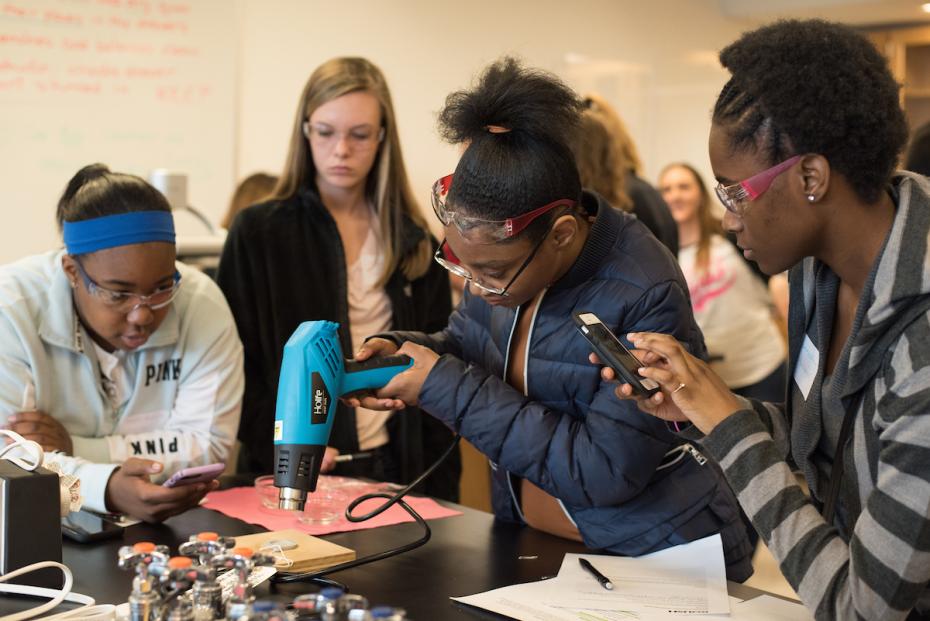
This is your chance to give participants opportunities to get involved. Consider incorporating hands-on activities, asking thought-provoking questions to initiate discussions, creating challenges or competitions to “gamify” the experience, providing self-led activities to foster autonomy, and including STEM-related skills development opportunities. In my session, participants used food colouring gels to practise their streaking techniques on yeast agar plates, with each colour representing a specific biological pigment. This helped them build skills in important laboratory techniques.
Extend
Extend the impact by building in follow-up activities for participants after the session. These could include crosswords, true-or-false questions and scientific questionnaires or links to relevant online resources, events and information relevant to the experience. During my presentation, I told participants that vitamin A appears as an ingredient in their cosmetic and health supplement products and encouraged them to look for examples when they got home.
Reflect
Reflection helps you make adjustments before, during and after your outreach session. Consider audience requirements, knowledge and experience levels. Afterwards, ask yourself: What was effective? What would you improve? Did you achieve your objectives?
Tips for keeping participants engaged
To create a memorable and inspiring experience, welcome participants into the session with a warm greeting and ensure your content is easy to understand by avoiding scientific jargon. This is easier said than done, but a good way to check clarity is to test your material on friends or colleagues in other fields. I would also recommend finding an inspirational quote by a scientist to share with students to motivate them during and beyond the session.
Scientific outreach connects cutting-edge research with community audiences, demystifying fields to those who may not have considered pursuing a STEM career. My experience with the Science Museum was rewarding both professionally and personally. I consider it an honour to be able to inspire the next generation of bioengineering technicians, and I encourage any technicians who have the opportunity to do so.
Nana Asante Asamoah-Danso is a bioengineering laboratory support technician at Imperial College London.
If you would like advice and insight from academics and university staff delivered direct to your inbox each week, sign up for the Campus newsletter.

comment