

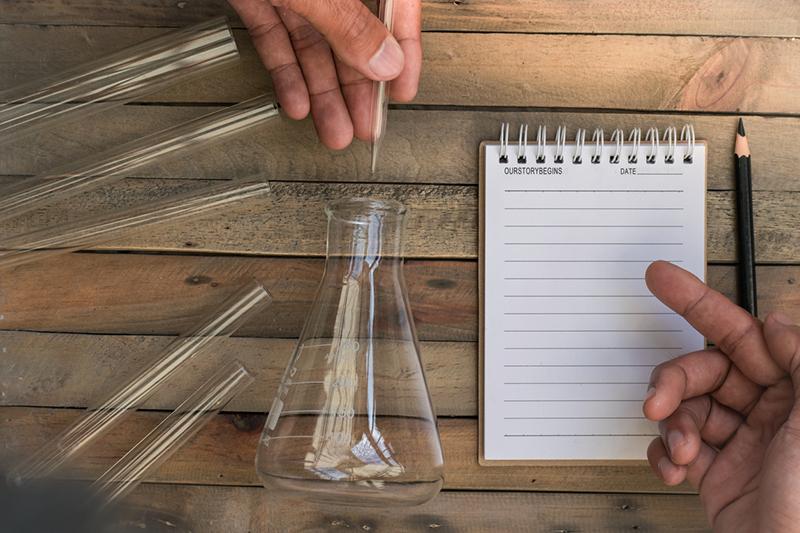
Although reflective practice exists in science, technology, engineering and mathematics (STEM), storytelling is still not widely used as a learning tool in classrooms. In courses where precision and technical accuracy take precedence, students can miss opportunities to meaningfully connect scientific concepts to their own lives. Yet inviting students to craft and share their own stories can transform learning, engagement and identity.
Reflection – the heart of storytelling – is not a “soft skill” or an add-on; it helps students integrate disciplinary knowledge into their personal and professional identities, build confidence and strengthen their sense of belonging. Storytelling allows students to see themselves not just as learners but as emerging professionals capable of contributing meaningfully to their fields. By reflecting on their experiences, students begin to connect scientific concepts with their own lives, seeing how their skills and insights can have a broader impact.
- Spotlight guide: making the case for arts and humanities
- Spotlight guide: reframe assessment as part of learning
- Lessons in chemistry: widening university students’ participation through storytelling
In my first-year chemistry lab courses, students created short stories linking lab concepts to experiences that mattered to them. Lab pairs were chosen to ensure conceptual continuity and progressive learning – for example, pairing kinetics with equilibrium or stoichiometry with titration. They were also aligned with core learning outcomes: demonstrating chemistry understanding, applying concepts to real-life contexts, using accessible scientific communication, and engaging in reflective learning. This structure allowed students to progressively deepen their understanding as they experimented with storytelling formats and reflections.
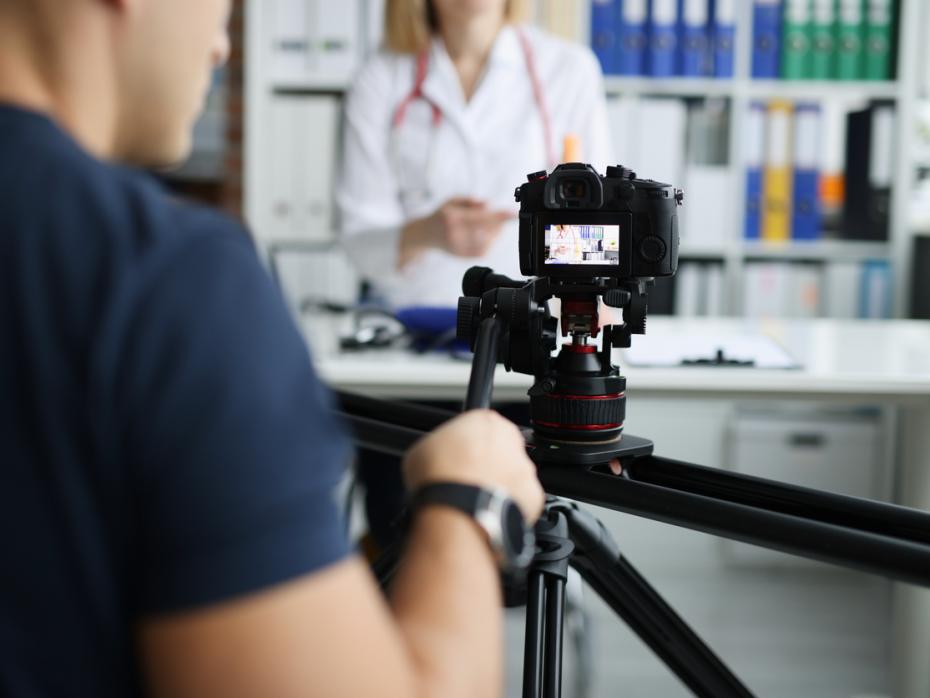
Students received explicit assignment guidelines, including storytelling prompts and expectations, and were encouraged to use accessible, non-technical language to make meaningful connections between course content and lived experiences. Depending on their course enrolment, students completed four or more contextualised stories over the semester. They could write, create digital media or craft physical artefacts. One student commemorated their first acid-base titration with a poem, telling the story of how mastering this technical skill became a moment of growing competence and developing scientific identity. Another student crocheted a pipette bulb, using the artefact to narrate their journey in mastering lab techniques and reflecting on the progress they made in both skill and confidence. Other students produced short videos linking teamwork, experimentation or personal hobbies to lab concepts.
These assignments were assessed using a grading rubric provided to students in advance, evaluating five criteria: scientific accuracy and clarity; creativity and originality; connection to personal or cultural context; communication style; and overall narrative coherence. The rubric guided expectations and supported both scientific and reflective skill development. Each criterion was scored from one to five, where one indicated minimal achievement and five represented excellence. For example, a five in scientific accuracy meant the concept was clearly and correctly explained, while a five in personal/cultural connection reflected a deep, meaningful link to lived experience. This approach ensured transparent grading while encouraging creative and thoughtful expression.
Our study with the Canadian Consortium of Science Equity Scholars showed that students who put more effort into their work, reflected deeply and demonstrated scientific accuracy in storytelling performed better on both narrative and traditional assessments. Gender differences emerged: women scored higher in storytelling and scientific accuracy, while traditional lab performance was similar across genders. Storytelling creativity also showed a modest positive relationship with students’ perceived improvement in disciplinary belonging, suggesting that this approach creates a more inclusive form of assessment, highlighting engagement in ways conventional tasks often miss.
What enabled these moments wasn’t a new technology, but a shift in classroom climate – from compliance to connection. When students feel invited to bring their whole selves to learning, they engage more deeply, become more resilient and see value in their work. This approach may seem more natural in the humanities, but it is arguably even more vital in STEM. Contextualised storytelling bridges disciplinary concepts and lived experience, allowing students to integrate their identities into the learning community. Practically, instructors can support this through short reflective prompts tied to lab skills, optional creative formats (such as audio, video or artefacts) and brief in-class discussions, where students explain the reasoning behind their choices.
It is important to clarify that storytelling in STEM does not have to resemble a traditional narrative with characters and plot, as one might find in a literature class. In our context, storytelling can take many forms, including contextualised storytelling, where students describe, reflect on or present how a scientific concept or lab skill connects to their personal, everyday or professional experiences. This might be expressed through written narratives, short videos, digital media, physical artefacts or oral presentations. The key is that students are making meaningful connections between disciplinary knowledge and their own lives, integrating reflection and personal insight into their learning. By broadening the definition of storytelling in this way, educators can design assignments that are accessible and inclusive, and which are aligned with learning outcomes, while still encouraging creativity and reflection.
Reflection is professional; storytelling is part of science. Designing classrooms that encourage students to share their stories takes intention, but the pay-off is enormous: more engaged, capable and confident students. Next time you revise a syllabus, make space for reflection through oral storytelling, digital media or creative artefacts. These are not side assignments; they are opportunities for students to make meaning, not just memorise material. By embedding storytelling into STEM, educators help students learn about both science and themselves.
Karen Ho is a laboratory instructor in the department of chemistry and physics at Mount Royal University in Calgary, Canada. Douglas B. Clark is a professor in the Werklund School of Education at the University of Calgary, Canada.
If you would like advice and insight from academics and university staff delivered direct to your inbox each week, sign up for the Campus newsletter.

comment